

Maintenance Guide for the Righteous Hoodie piece: Preserving It Looking New
A hoodie is one of those garments that gradually settles in as a closet essential, put into rotation more often than most people admit when they first bring it home. If you’ve invested in a piece from a righteous clothing brand, the way you wash, dry, and store it will decide whether it remains crisp and clean in two years or begins to droop and dull after two months. Care habits matter more than most shoppers realize, and small mistakes compound quickly across dozens of wash cycles. This guide breaks down exactly how to protect a righteous hoodie so the fit, print, and fabric hold up wash after wash. You’ll find guidance on wash temperature, drying approaches, stain treatment, and storage for the long haul, alongside a table comparing how different routines influence lifespan. It’s all fairly simple, but it calls for staying consistent, and consistency tends to be the sticking point for most.
Taking Care of Your Hoodie, Why This Genuinely Matters
Without proper care, that cotton-and-fleece material — a fixture of premium streetwear — loses structure faster than expected. Warmth is the main culprit — washing hot and drying on high shrink fibers, crack printed graphics, and lead to pilling on the brushed inner lining. The fit and the graphic quality are two of the most praised features, as anyone who’s scanned a righteous review or checked feedback for a righteous clothing brand will tell you — and both are what breaks down soonest under careless washing. Realistically, a hoodie washed in cold water and air-dried can last 3 to 5 years of typical wear before it starts looking worn. The same hoodie washed in hot water and tumble-dried on high heat often shows pilling and shrinkage within 15 to 20 washes, sometimes shrinking as much as 5% from its original dimensions. That amounts to a visible change in sleeve length and body fit, especially on roomy, boxy shapes that define a lot of current streetwear design language going into 2026.
There’s also a money-related point worth noting. Over five years, replacing a hoodie every year because of avoidable damage ends up costing more than keeping a single hoodie cared for properly throughout. Righteous apparel is designed with heavier weight fabric, usually falling between https://righteoushoodie.org/ 350-450 GSM for hoodies, which carries more density than mass-market basics sitting around 250 GSM. Thicker fabric keeps its form more effectively but nonetheless calls for the right care to steer clear of matting and heavy lint buildup. Because people skip care instructions thinking “it’s just a hoodie,” solid garments wind up donated well before their time.
A Guide to Laundering: Temperature, Detergent Choice, and Wash Frequency
A chilled wash setting, preferably between 30°C and 40°C (86°F to 104°F), is the safest range for cleaning a righteous hoodie without stressing the fibers or the printed design. Cracking graphics and bleeding colors result from hot water above 60°C, especially on richer colorways that haven’t fully cured. Before washing, flip the hoodie inside out — this small precaution guards printed or embroidered logos from rubbing against the drum’s interior and against zippers or buttons on other garments in the load. Opt for a gentle liquid detergent instead of a powdered one, since powder detergent can leave residue in fleece fibers that stiffens the fabric over time. Leave fabric softener out of the routine completely; it coats cotton fibers with a waxy layer that actually reduces the fleece’s softness after repeated washes, which is unexpected yet thoroughly backed by textile care research.
This also plays a role how often you wash it. Hoodies don’t need washing after every wear the way t-shirts do, since direct, sustained skin contact is uncommon with this garment. Generally, cleaning it once every 3 to 4 wears will do unless you’ve perspired a lot or the piece has visible stains. Too-frequent washing can rapidly break down a righteous hoodie ahead of schedule — each cycle causes mechanical stress on the fibers, so even a 30% cut in unneeded washes can add real time to the garment’s usable life. Always wash similar colors together, and separate anything with zippers, studs, or rough hardware that could snag the fleece interior.
How to Dry Without Wrecking the Fit
Especially for any hoodie, air drying flat remains the top-tier approach—this is especially true for denser fabric items from a we are righteous collection, since the GSM runs high enough that using a hanger risks pulling out the shoulders. Lay the hoodie on a dry, clean towel, smooth it back to its true shape, and let it dry away from direct sunlight, which can fade both fabric color and the printed design over time. Full air drying typically takes 12 to 24 hours based on humidity and fabric thickness. In a pinch, a low-heat tumble cycle for a shortened cycle — roughly 15 minutes — then finishing with flat drying to finish is a workable trade-off, but high-heat cycles should be kept away from a hoodie you’d like to last long term.
Something many overlook is this: cramming the dryer with too many garments produces uneven drying and added friction, which speeds up pilling. Run smaller drying loads for hoodies, ideally 3 to 4 items of similar weight at a time, max. Steer clear of dryer sheets as well for the same reason fabric softener is discouraged — the coating residue flattens the fleece feel and cuts down breathability. Should a righteous hoodie look somewhat creased after drying, a gentle reverse-side iron, or inside-out steaming, will refresh the fabric while keeping the printed design on the front safe.
Spot Treatment and Stain Removal
When it comes to stains, speed is everything. Dab instead of rubbing, since rubbing embeds the stain deeper in the fleece instead of removing it. With oil-based stains, dabbing on a small amount of dish soap directly and leaving it for 5 to 10 minutes before washing outperforms immediately tossing the whole hoodie into a wash cycle. With ink or dye transfer, a cotton swab dipped in rubbing alcohol, tested first on an inside seam, can remove the mark without damaging the fabric around it. Never use bleach on colored or printed hoodies — even diluted bleach can cause irreversible discoloration around graphics within seconds of contact.
Grass stains and mud, common on outdoor-worn apparel, respond well to a pre-soak in cold water with a stain-specific enzyme cleaner for 20 to 30 minutes before the regular wash cycle. Always check the stained area after washing and before drying — heat sets stains permanently, so if a mark is still visible post-wash, repeat the spot treatment rather than drying the garment. Being patient like this rescues hoodies that would otherwise be considered ruined after a single mishap.
Long-Term Storage
Rather than hanging, folding is the smarter storage choice for hoodies, since hanging by the shoulders over months can distort the neckline and shoulder seams under the fabric’s own weight. Place folded hoodies on a shelf or in a drawer, in a dry, cool spot and out of direct sunlight, which prevents both fading and the musty odor that develops in humid storage conditions. Cedar blocks or lavender sachets nearby help deter moths, which are drawn to natural fibers like cotton blends used in most righteous clothing. If you live somewhere with a genuine off-season, rotate seasonal storage every 6 months, and make sure hoodies are always stored clean — unnoticed food residue and body oils can attract pests and lead to yellowing over time, even when no staining is apparent at storage time.
For anyone building a small capsule collection around a we are righteous brand aesthetic, spacing hoodies loosely in storage rather than compressing them tightly under other garments preserves the loft of the fleece interior. Vacuum-sealed bags are convenient for space-saving but can flatten fleece permanently if left compressed for more than a few weeks, so they’re better suited for short-term travel packing than year-round storage.
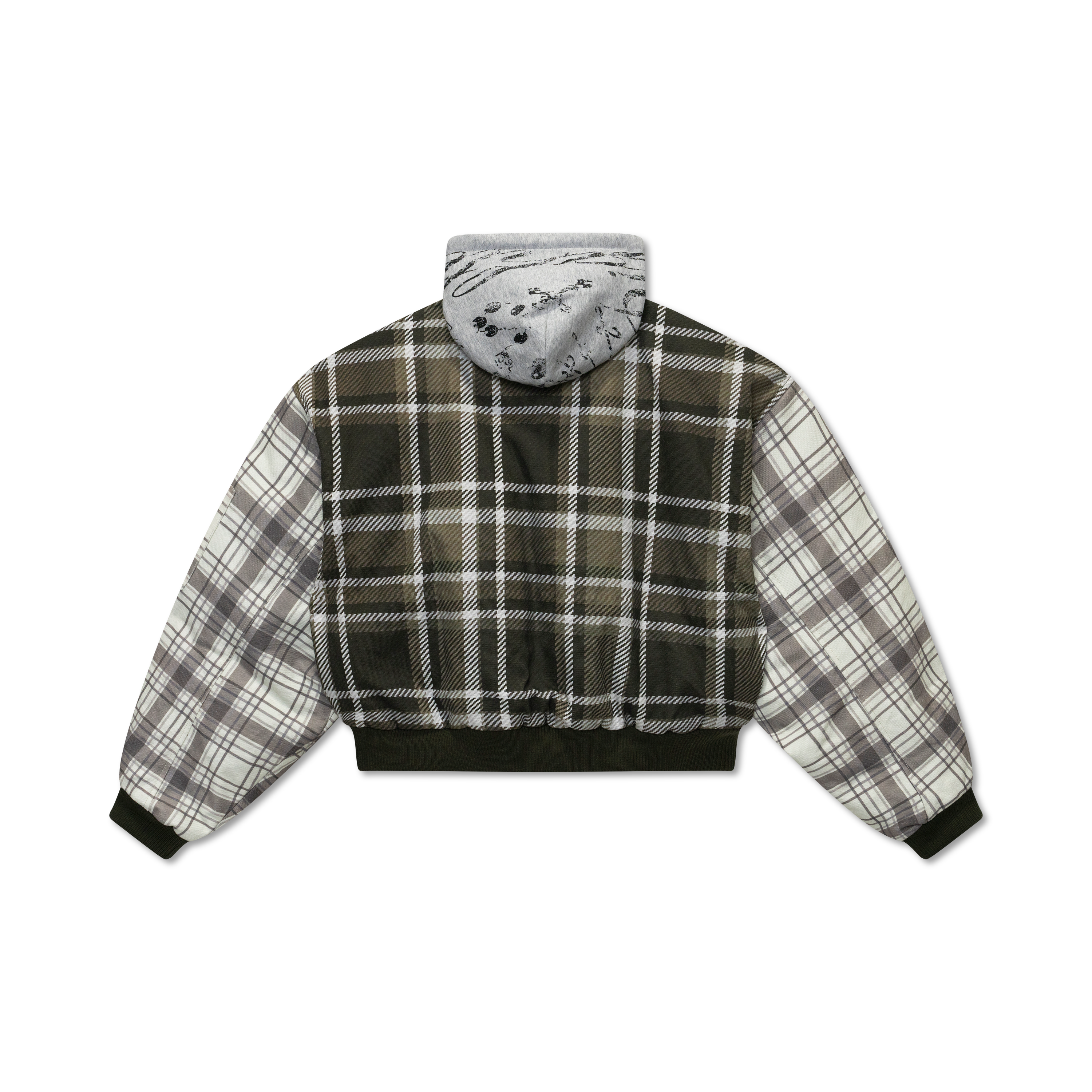
Comparison Table: How Care Habits Make a Difference
| Maintenance Practice | Suggested Approach | Improper Method | Expected Impact on Longevity |
|---|---|---|---|
| Washing Temperature | Cold, 30-40°C | Hot, above 60°C | Extends life by 2-3 years |
| Drying Approach | Flat air-drying | High-heat tumble dry | Keeps shrinkage under 5% |
| Wash Frequency | Once every 3-4 wears | Following each wear | Cuts fiber stress by approximately 30% |
| Detergent Type | Soft liquid detergent | Powder + fabric softener | Protects softness and print detail |
| Storage | Kept folded in a cool, dry place | Long-term hanging or compression storage | Keeps seams and shoulders from distorting |
Last Reflections on Caring for Your Purchase
The proper way to care for a righteous hoodie isn’t about babying the garment — it comes down to knowing what truly triggers damage and steering clear of those particular mistakes without fail. The heavy lifting is done by cool-water washing, careful drying, quick stain response, and thoughtful storage, working together, and none of these steps demand considerable extra time once they become habit. It’s easy to notice, going through a we are righteous review, how frequently build quality and fabric heft come up for praise, and that quality is worth safeguarding through the way the piece is genuinely cared for at home. Beyond simply lasting longer physically, a well-maintained hoodie keeps looking purposeful and current instead of worn, something that matters when a piece is supposed to ground a wardrobe rather than go unnoticed. Give the fabric the same attention paid when selecting it in the first place, and a righteous hoodie purchased in early 2026 has every reason to still look sharp well beyond that year.